

Microcosm: Books & Stories
A curated selection of readings dedicated to insects—ranging from literary masterpieces to popular science and entomological essays—to help us learn to observe the life around us, whether at home or in the wild.
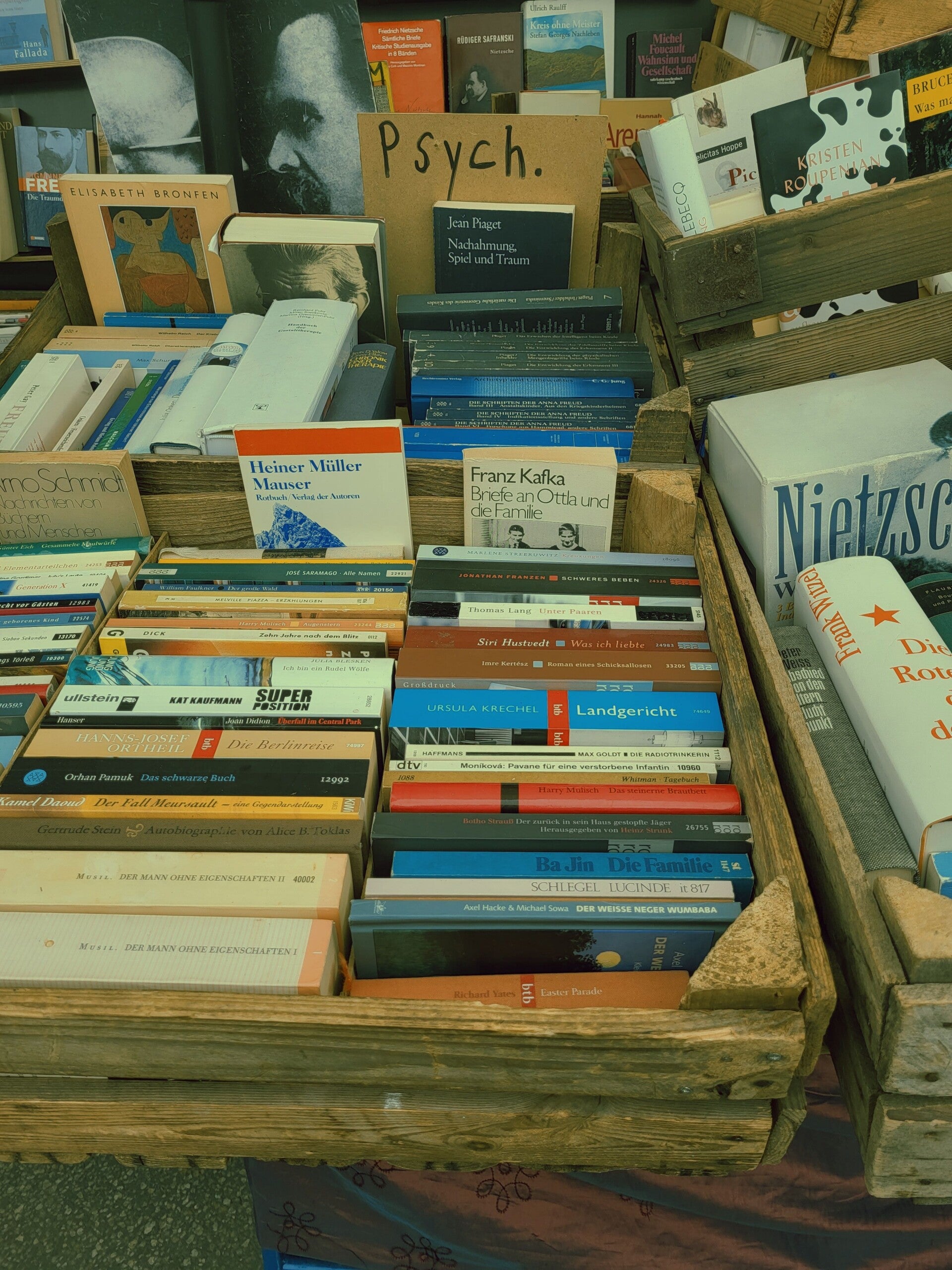
The "Metamorphosis" by Franz Kafka
The great classic that explores human alienation through Gregor Samsa’s unexpected awakening as a massive insect. A timeless literary starting point for reflecting on the boundary between man and the animal kingdom.

The "Intelligent Anthill" by Bert Hölldobler and Edward O. Wilson
A seminal work on the social complexity of eusocial insects. Two distinguished biologists describe—with clarity and passion—the extraordinary organization, communication, and cooperation found in the world of ants.
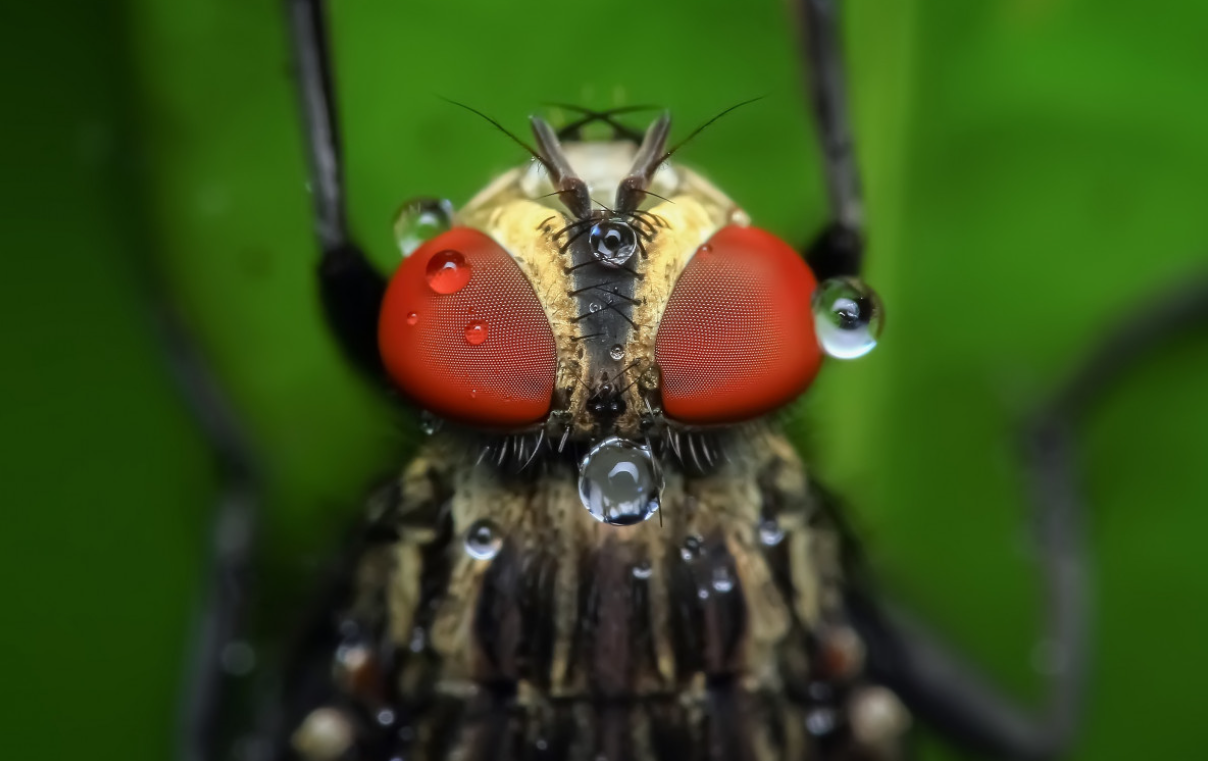
The Myth of the Fly God
From Ancient Deities to Pop Culture
While ants represent social cooperation, the humble fly has crawled through human history as a powerful symbol of transformation, decay, and mystery. In ancient Mesopotamian mythology, the fly was linked to Nergal, the god of war and pestilence. Later, in various traditions, the figure of Beelzebub emerged—a name that literally translates to "Lord of the Flies"—representing a dark, winged archetype that has fascinated writers and filmmakers for centuries.
A Metamorphosis of Terror
This insect's symbolic power reached its peak in modern science fiction with the classic story of The Fly. Unlike Kafka's psychological awakening, here we witness a scientific mutation where human and insect DNA fuse together, creating an unforgettable and tragic transformation. The fly reminds us that even the smallest creature in our ecosystem carries a heavy weight in human imagination.
Create Your Own Website With Webador